Beyond Eco-Living - A Credo
At Beyond Eco - Living, the natural environment means much more than a tag attached to a brand. Our bond with this land is a continuum of a primal connection that all life forms once shared with the earth's natural environment, its forests, soil, mountains and oceans, all offspring of an Earth Mother, mindful of sustenance forever. Experiences here are not entertainment or voyeurism but invitations to reconnect—with nature, with silence, and with oneself.
At Beyond Eco-Living we have consciously chosen deep rooted environmental conservation and sustenance as our credo. A belief in the interdependence of all life forms, large and small. In fact we discourage the use of vehicles beyond a point in the property is in order to safeguard the insects that forage on the lawn and rock paved pathway and butterflies that flit past. We harvest almost every drop of water that we can, rainwater and runoff from a rivulet, recycle our waste rigorously, source produce for our kitchen from the farms around our property besides training the personnel who form the backbone of Beyond Eco-Living.
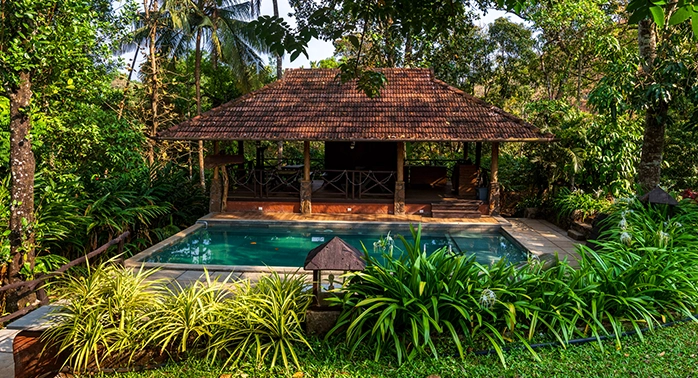
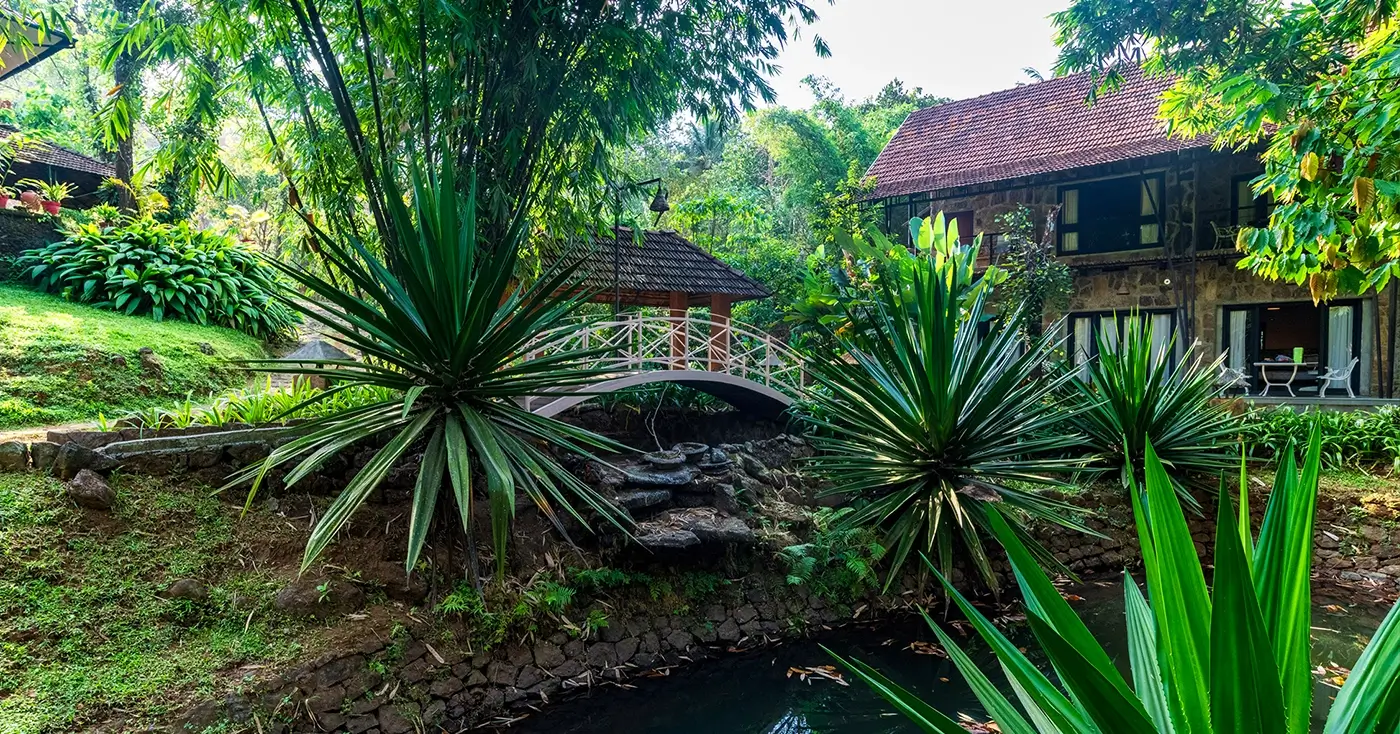
Inspired by 'Shinrin-Yoku' (Forest Bathing), a Japanese practice that is a meditative and sensory activity where all the five senses are immersed entirely in the flow of nature, Beyond Eco-Living encourages guests to slow down, breathe and retreat into a slow and mindful journey. Here, guests withdraw from the frenetic pace of everyday life and immerse in the rhythms of the surrounding rainforests. Here, luxury is experienced through authentic experiences, nature, silence and space.
Vision
To build a globally respected experiential boutique rural tourism brand with values that preserve culture, protects natural environments and empowers local communities. We seek to offer discerning travelers authentic, conscious, and immersive hospitality firmly rooted in simplicity and sustainability.
Mission
To create thoughtfully designed environmentally conscious destinations that celebrate hyperlocal heritage, community living, traditional knowledge and environmental responsibility. In the process we strive to deliver warm hospitality, safe, and memorable guest experiences.
Beyond Eco Living also seeks to collaborate with like-minded entrepreneurs and sustainable tourism visionaries around the world to shape the future of ethical and culturally rooted hospitality.
Beyond Eco Living is founded and promoted by Anish P. Varghese and Lincy Anish, a couple united by their passion for nature, rural culture, and meaningful hospitality experiences.
Promoters
Anish P. Varghese, from the highlands of Munnar is an MBA graduate who brings over 26 years of expertise in tourism, hospitality, and destination management. Since 2000, he has successfully owned and managed hospitality ventures in Munnar, with extensive experience in rural tourism, experiential travel, and sustainable hospitality development. He is actively associated with tourism industry associations, leadership bodies, and destination management initiatives, contributing significantly to the region's tourism ecosystem. The architectural character, landscape design, and overall execution of Beyond Eco Living were personally conceptualised by Anish, drawing inspiration from the region's local architecture, ecology, and cultural heritage.
Lincy Anish is a Gold Medalist in Master of Tourism Administration (MTA) and a postgraduate in Botany. She actively leads guest experiences and property operations with a strong focus on authentic hospitality and ecological sensitivity. Lincy's passion for local cuisine, warm hosting traditions, and strong leadership capabilities has played a vital role in building and nurturing the team culture at Beyond Eco Living, creating guest experiences rooted in care, authenticity, and human connection.
An Enthralling Eco-system
Beyond Eco Living is situated within the verdant forests that drape the Western Ghats mountains, among eight UNESCO designated bio-diversity hotspots and one of the most ecologically diverse regions on Earth. The forests extend over less than 6% of India's land mass but contain over 30% of its plant, fish, bird, and mammal species. High Montane ecosystems and non-equatorial tropical evergreen forests greatly influence the monsoon systems over the Indian sub-continent while simultaneously moderating the tropical climate of the region. The forests of the Western Ghats are also home to a fascinating range of flora and fauna including 325 globally threatened flora and fauna, bird amphibian, reptile and fish species.
Forests &
Plantation Landscapes
The tea and spice plantations on the fringes of these forests are a legacy of the areas colonial history and monarchial rule. They nevertheless form an important component of the cultural and ecological landscape of the Western Ghats.

The evergreen forests surrounding the retreat include native species such as:
- Wild Jackfruit (Artocarpus hirsutus)
- Indian Rosewood (Dalbergia latifolia)
- Wild Mango (Mangifera indica)
The region is also home to traditional plantation crops including:
- Cardamom
- Black Pepper
- Clove
- Coffee
- Cocoa
Wildlife
Mammals occasionally seen in nearby forests include:
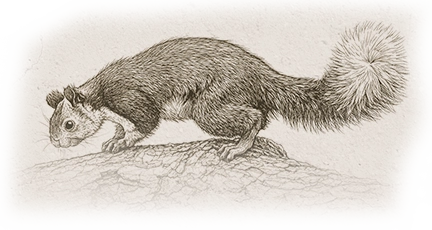
- Malabar Giant Squirrel
- Indian Gaur (Wild Bison)
- Asian Elephant
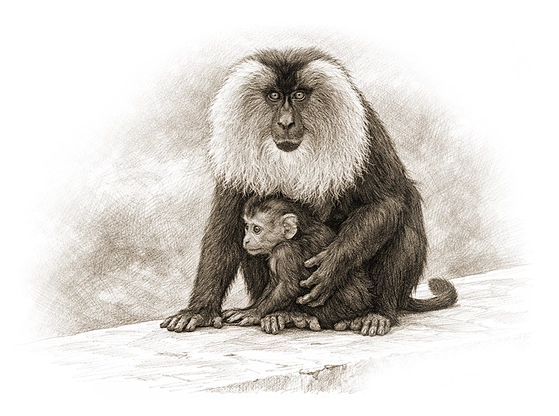
- Lion-tailed Macaque
- Indian Muntjac (Barking Deer)
Birdlife
The Western Ghats are among the most rewarding regions in India for birdwatching.
Species recorded in the region include:
- Great Hornbill
- Malabar Grey Hornbill
- Malabar Whistling Thrush
- Indian Paradise Flycatcher
- Nilgiri Wood Pigeon

Amphibians & Reptiles
The forests of the Western Ghats are also renowned for their remarkable diversity of reptiles and amphibians. The exceptional diversity of frog species makes the region particularly interesting for herpetologists, researchers, and nature enthusiasts who visit the Western Ghats to observe rare amphibians.
Species found in the region include:
- Malabar Pit Viper
- King Cobra
- Travancore Tortoise
- Malabar Gliding Frog

- Bush Frogs (Raorchestes species)
- Purple frog
- Ochlandrae reed frog
- Water droplet frog
- Bronze-back Tree Snake